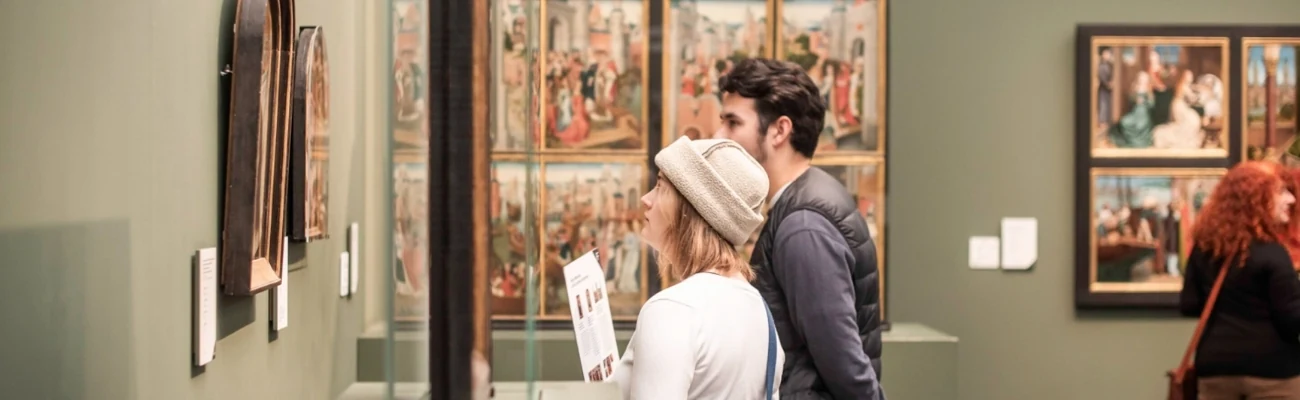
General Overview
The Groeningemuseum is one of the most important art museums in Bruges and a key stop for travellers
interested in culture, history, and Flemish art. Located in the heart of the historic centre, the museum
presents a clear and well-curated journey through six centuries of Belgian visual art. But is it worth adding
to your Bruges itinerary? The short answer is yes, especially if you want to understand the artistic soul of
the city.
Historical Background of the Groeningemuseum
The Groeningemuseum was established to preserve and present Bruges’ rich artistic heritage, particularly the
works created during the city’s medieval golden age. Bruges reached its cultural and economic peak in the 15th
century, becoming one of Europe’s leading centres for trade, finance, and art. Wealth generated through
international commerce allowed local patrons, churches, and guilds to commission highly refined artworks,
laying the foundation for what would later become the museum’s core collection.
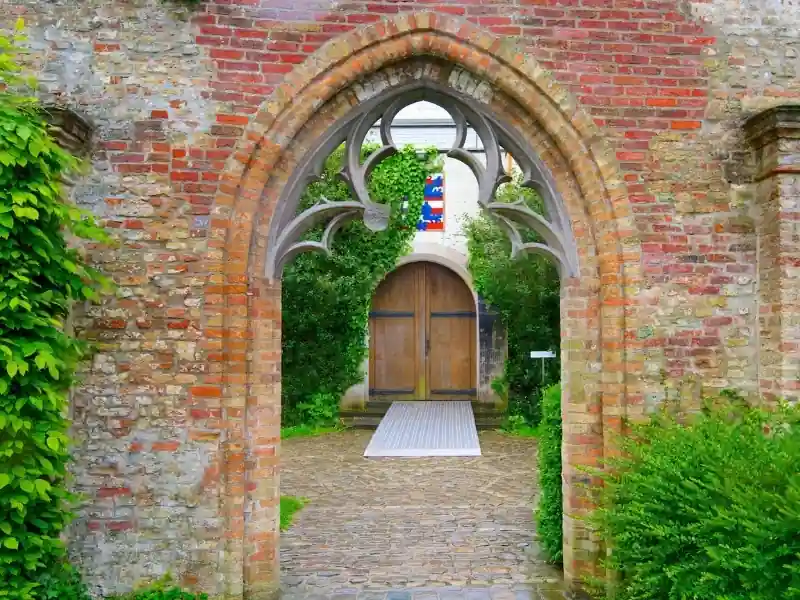
The museum takes its name from the former medieval Groeninge Abbey, which once stood near the current site.
Although the original abbey no longer exists, the area remained closely associated with Bruges’ historical and
cultural identity. In the 19th century, as interest in preserving national heritage grew across Europe, Bruges
began systematically collecting and safeguarding its most important artworks.
The modern Groeningemuseum building opened in 1930 as a dedicated space to house these collections. Its purpose
was clear: to present a chronological narrative of Flemish and Belgian art, with special emphasis on the
Flemish Primitives who shaped early Netherlandish painting. Over time, the collection expanded beyond medieval
works to include Renaissance, Baroque, and modern Belgian art, allowing visitors to trace artistic development
across centuries.
Today, the Groeningemuseum is part of the Musea Brugge network and is recognised internationally as one of the
most important institutions for the study of Early Netherlandish art. Its historical mission remains unchanged:
to connect Bruges’ past with its artistic legacy through carefully curated masterpieces.
Structure and Scope of the Collection
The Era of the Flemish Primitives
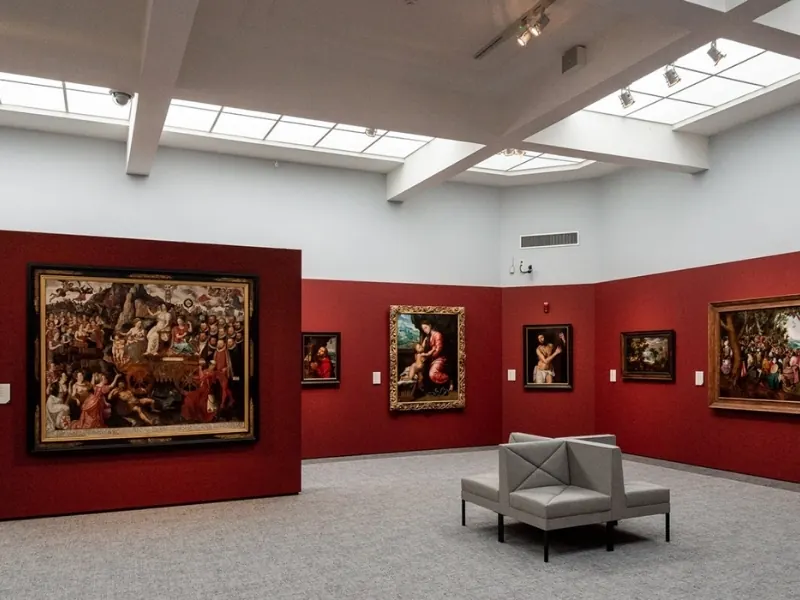
This is the highlight of the museum and the main reason most visitors come. The collection includes
masterpieces by artists such as Jan van Eyck, Hans Memling, Hugo van der Goes, and Gerard David. These
paintings are known for their incredible detail, realism, and use of oil paint, which was revolutionary at the
time. Many travellers consider seeing these works in person a once-in-a-lifetime experience.
From the Renaissance to the Nineteenth Century
As you move through the galleries, you will encounter works from the Renaissance and Baroque periods, followed
by neoclassical and realist paintings from the 18th and 19th centuries. These rooms provide important context
and show how Flemish art developed beyond the medieval period.
Transition Toward Modern Belgian Art
The final sections focus on Belgian art from the late 19th and early 20th centuries, including symbolism and
expressionism. While the museum is not a contemporary art space, these modern works add balance and variety to
the overall experience.
Time Planning and Itinerary Value
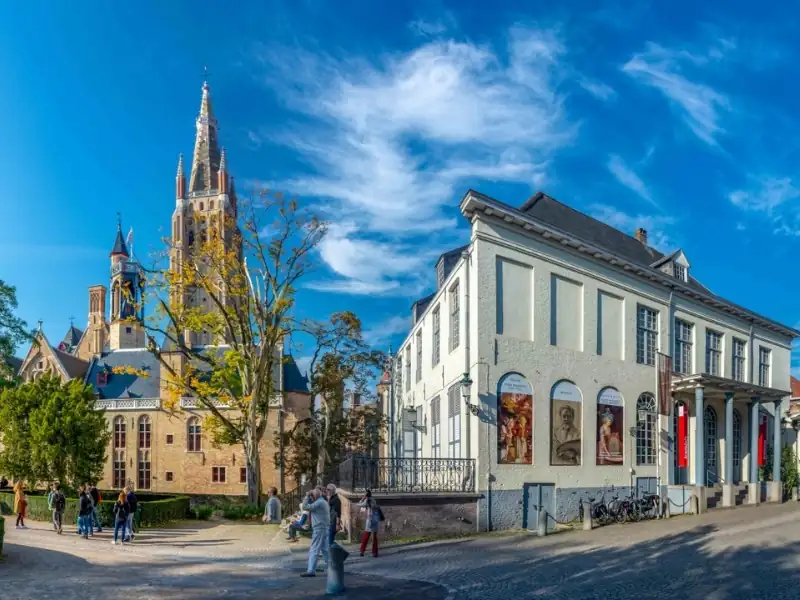
For travellers spending only one day in Bruges, the Groeningemuseum stands out as one of the most rewarding cultural stops. It delivers world-class art within a limited timeframe and offers valuable insight into Bruges’ historical and artistic importance. When time is limited, and a choice must be made between multiple museums, this one best represents the city’s artistic heritage.
For those staying two or more days, the Groeningemuseum plays an important role within a broader cultural itinerary. It pairs naturally with nearby medieval churches, canals, and historic squares, and a longer stay allows visitors to explore the galleries at a relaxed pace and appreciate the fine details that define Flemish painting.
Visitor Profiles Best Suited for the Museum
The museum is especially worthwhile if you:
- Enjoy art, history, or museums
- Want to see famous Flemish paintings in their historical context
- Prefer high-quality collections over large, crowded museums
- Are you visiting Bruges for cultural discovery rather than only photography
If you are travelling with children or have little interest in painting, the museum may feel less engaging.
However, many first-time museum visitors still find it impressive due to the quality of the artworks.
Practical Visitor Information
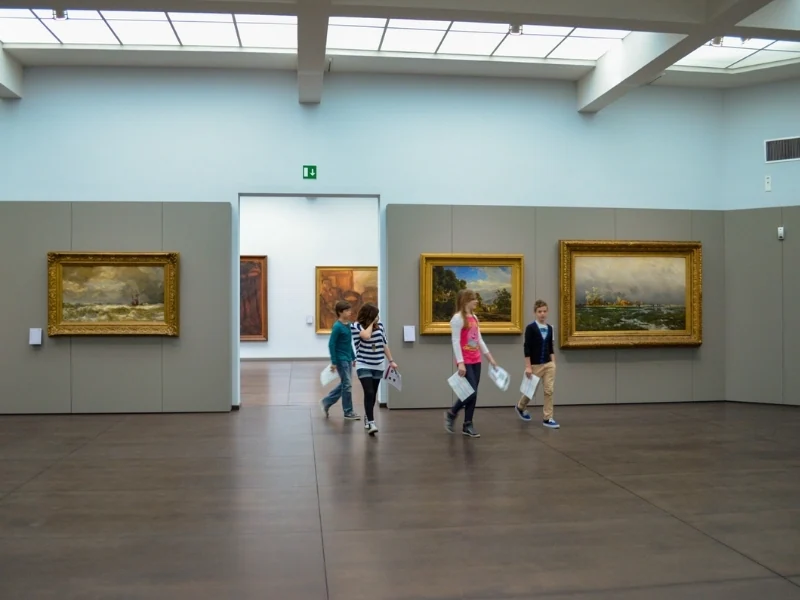
- Located in the historic centre of Bruges, within easy walking distance of most central hotels and guesthouses
- Easily accessible on foot from major landmarks in the old town, including canals, churches, and central squares
- Situated in a quiet area near the Dijver canal, offering a calm atmosphere away from heavy street traffic
- Generally open from morning until late afternoon, making it suitable for both early visits and midday sightseeing breaks
- Closed on certain public holidays, which may affect travel plans during the winter and festive seasons
- Opening times may vary seasonally, especially during winter months or special exhibition periods
- Checking current opening hours in advance is strongly recommended to avoid inconvenience
- Digital guides are available for self-paced exploration using smartphones or personal devices
- Multilingual information is provided throughout the museum, supporting international visitors
- Clear signage and logical room layout allow easy navigation without guided assistance
- Suitable for visitors without prior knowledge of art history, thanks to explanatory panels and contextual displays
Groeningemuseum Access with Bruges E-pass
For travellers looking to simplify their visit, Bruges E-pass offers a convenient way to access top
attractions in the city. Instead of purchasing individual tickets, the pass allows you to plan your cultural
sightseeing more efficiently and focus on the experience rather than logistics.
Overall Evaluation
The Groeningemuseum is absolutely worth visiting for anyone interested in art, history, or the cultural
identity of Bruges. It offers an exceptional collection in a calm, well-organised setting and provides deep
insight into one of Europe’s most influential artistic traditions. Whether you are visiting Bruges for a few hours or several days, the Groeningemuseum stands out as one of the
city’s top attractions and a meaningful addition to your travel experience.