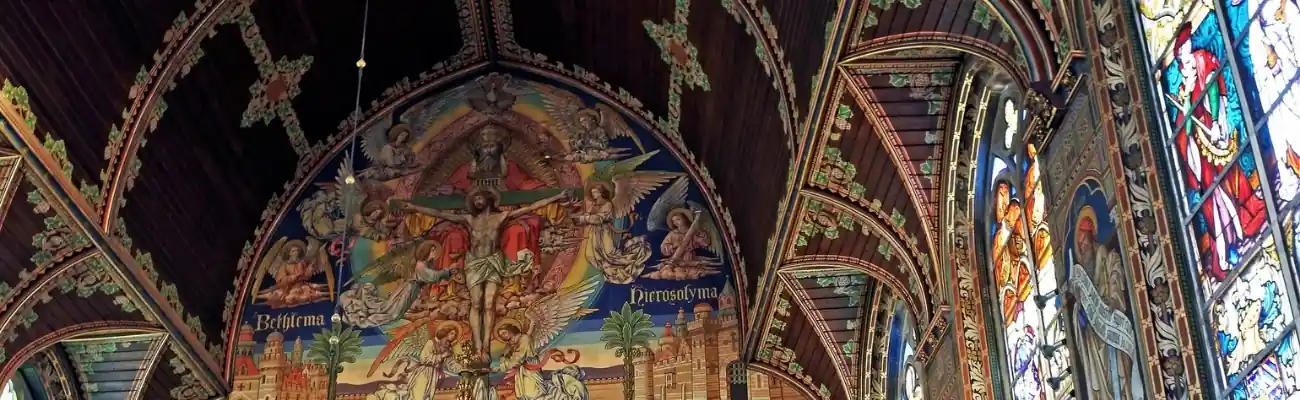
Bruges is often described as an open-air museum, but beyond its canals and medieval streets, the city is also home to an exceptional
collection of historic churches. These religious landmarks reflect Bruges’ role as a major spiritual, artistic, and commercial centre
in medieval Europe. From world-famous relics to quiet neighbourhood chapels, churches in Bruges offer both cultural depth and peaceful
moments during sightseeing.
Why Bruges’ Churches Are Worth Visiting
Churches in Bruges are not only places of worship but also key witnesses to the city’s history. They preserve important artworks,
represent architectural styles ranging from Romanesque to Baroque, and offer calm spaces that balance the busier parts of the historic centre.
Visiting a few well-chosen churches adds cultural depth to your trip and helps you better understand Bruges’ medieval importance.
Basilica of the Holy Blood
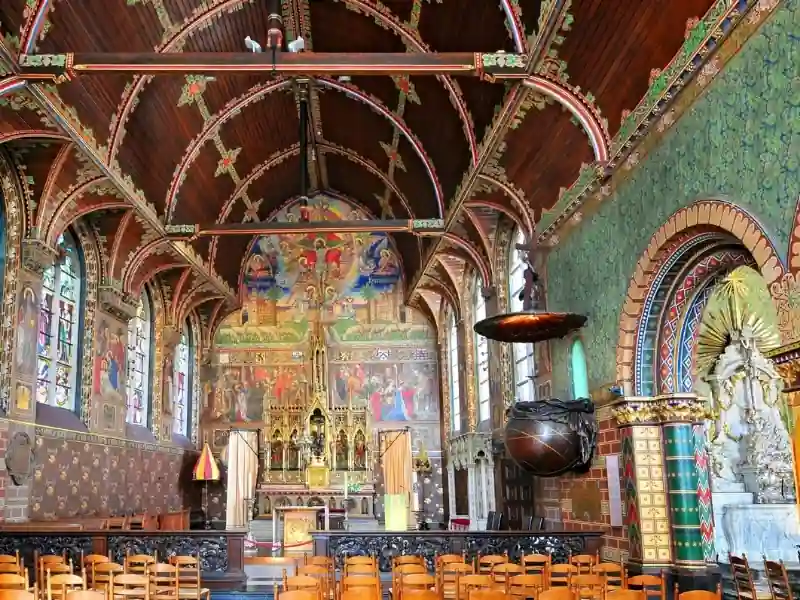
- Location: Burg Square, historic city centre
- Why Visit: One of the most important religious sites in Bruges, famous for preserving the relic of the Holy Blood
- Historical Importance:
- The relic is believed to contain the blood of Jesus Christ
- Brought to Bruges during the Crusades and venerated for centuries
- Architectural Highlights:
- Romanesque lower chapel with a sober and intimate atmosphere
- The upper chapel is richly decorated in Gothic and neo-Gothic style
- Cultural Significance:
Central role in the annual Procession of the Holy Blood, one of Bruges’ most important traditions
Church of Our Lady
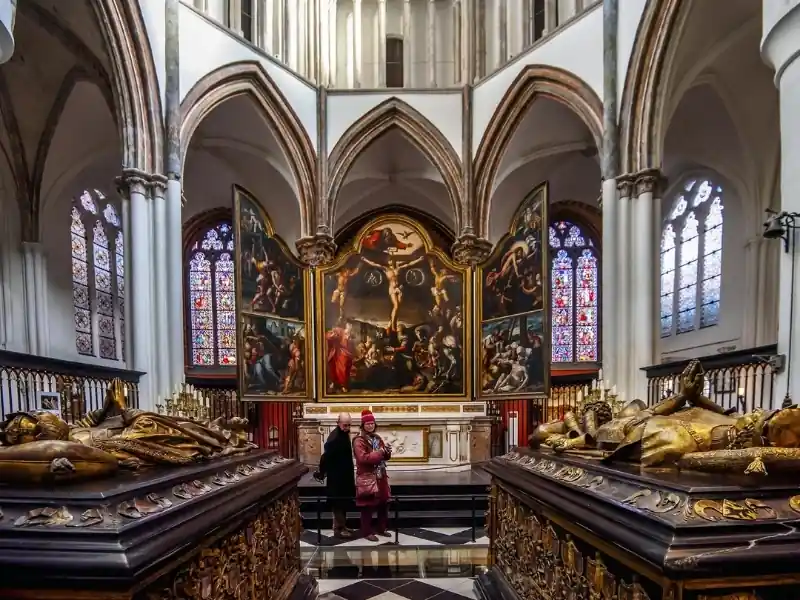
- Location: Historic centre, near the Dijver canal
- Why Visit: One of Bruges’ most iconic churches and home to a world-famous artwork
- Historical Importance:
- Strong connection to the Burgundian period
- Final resting place of Mary of Burgundy and Charles the Bold
- Architectural Highlights:
- Towering brick spire dominating the Bruges skyline
- Classic Gothic design with a spacious interior
- Artistic Highlights:
- Michelangelo’s Madonna and Child
- Visitor Experience:
- Functions as both a religious space and a museum area
- Calm, light-filled interior ideal for reflection and art appreciation
Saint Saviour’s Cathedral
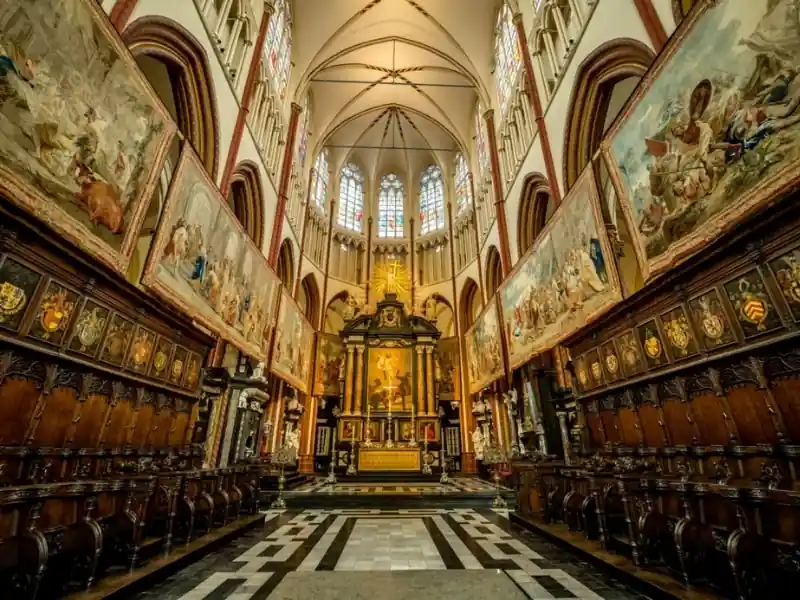
- Location: Near the Markt, in the heart of the historic centre
- Why Visit: Bruges’ main cathedral and oldest parish church
- Historical Importance:
- Evolved over centuries from a parish church to a cathedral
- Architectural Highlights:
- A combination of Romanesque foundations, Gothic structure, and neo-Romanesque additions
- Artistic Highlights:
- Flemish paintings, historic tombs, and decorative tapestries
- Large historic organ still used for concerts
- Visitor Experience:
- Free entry
- Easy to include on walking routes
- Calm and approachable atmosphere despite its cathedral status
Jerusalem Church
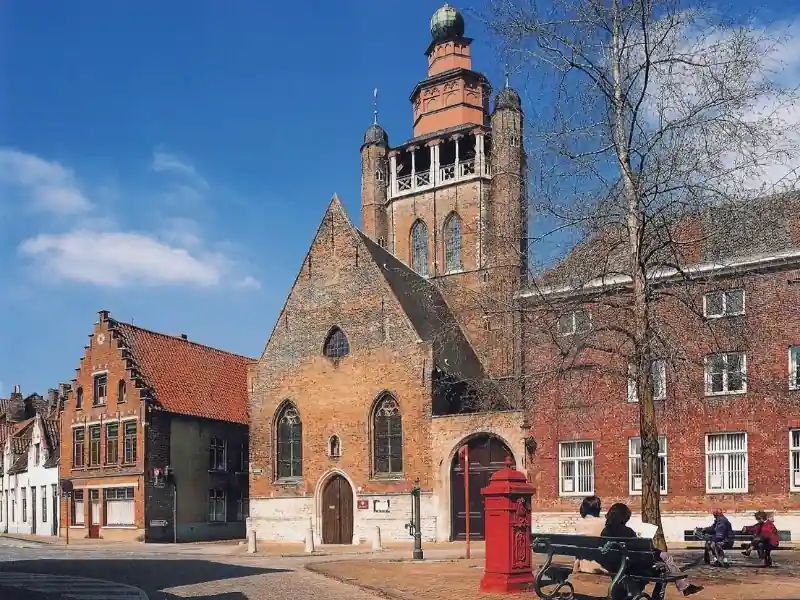
- Location: Quiet residential area outside the busiest tourist routes
- Why Visit: One of Bruges’ most distinctive and lesser-known churches
- Historical Importance:
- Built in the 15th century by the Adornes family
- Inspired by the Church of the Holy Sepulchre in Jerusalem
- Architectural Highlights:
- Symbolic layout reflecting Holy Land pilgrimage traditions
- Artistic Highlights:
- Medieval stained-glass windows
- Tomb of Anselm Adornes
- Symbolic reproduction of Golgotha
- Visitor Experience:
- Part of the Adornes Domain with museum and garden
- Ideal for travellers seeking quieter, story-driven sites
Saint Anne’s Church
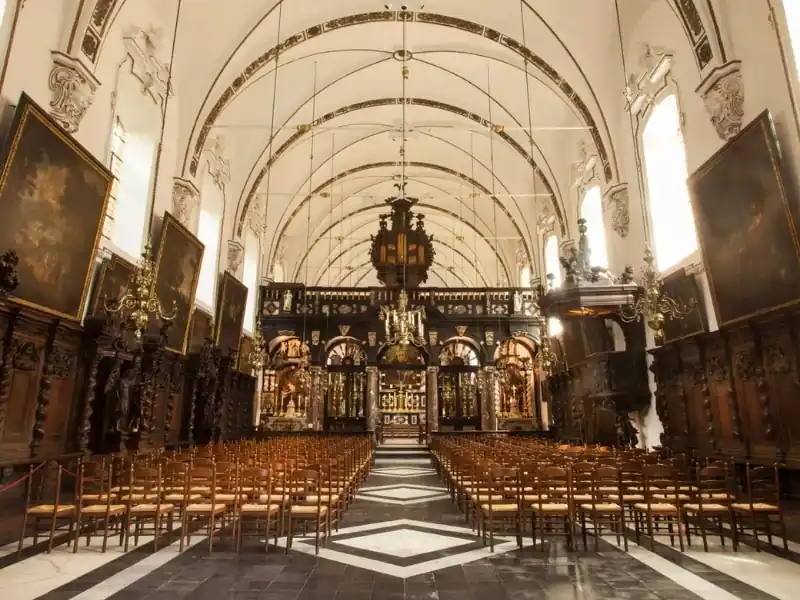
- Location: Residential neighbourhood east of the historic centre
- Why Visit: One of the richest Baroque interiors in Bruges
- Architectural Highlights:
- Lavish Baroque decoration throughout the interior
- Artistic Highlights:
- Marble altars
- Carved confessionals
- Decorative woodwork covering walls and furnishings
- Visitor Experience:
- Calm and uncrowded atmosphere
- Ideal place to slow down and appreciate Flemish Baroque art
Saint James’ Church
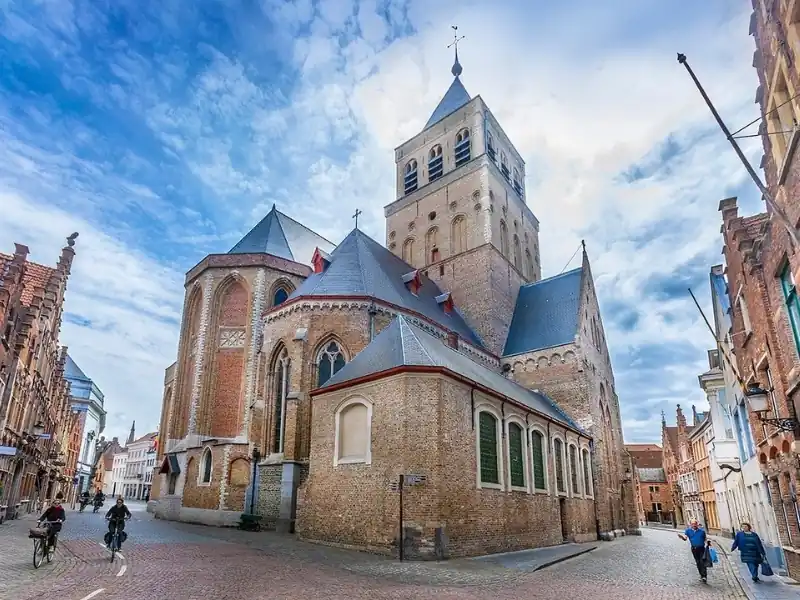
- Location: Near the Markt
- Why Visit: Strong links to Bruges’ merchant history and medieval pilgrimage routes
- Historical Importance:
- Closely associated with wealthy merchant families
- Architectural and Artistic Highlights:
- Richly decorated interior with artworks, memorials, and monuments
- Cultural Significance:
- Located along the medieval pilgrimage route to Santiago de Compostela
- Visitor Experience:
- Adds historical depth for visitors interested in trade and pilgrimage traditions
Beguinage Church
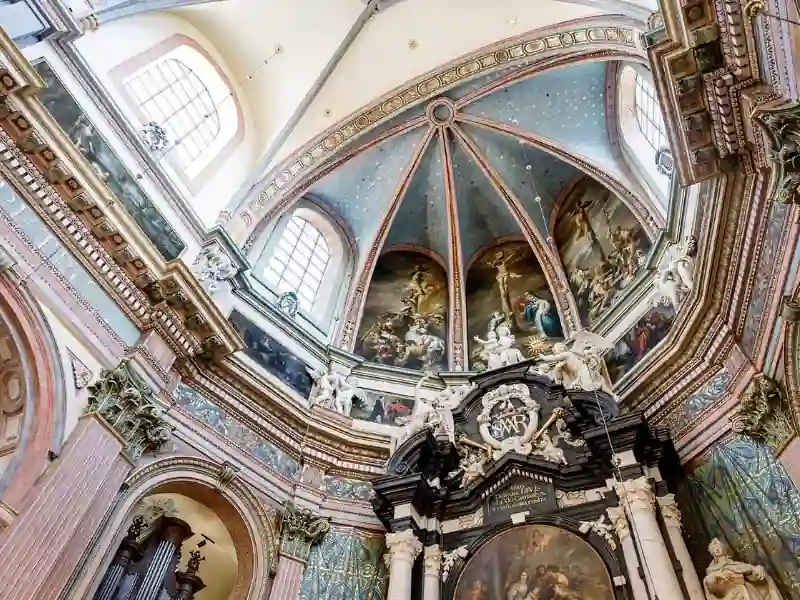
- Location: Within the UNESCO-listed Beguinage complex
- Why Visit: A peaceful spiritual space with a unique social history
- Historical Importance:
- Served the beguines, women devoted to prayer and charitable work
- Architectural Highlights:
- Simple and serene interior design
- Visitor Experience:
- Quiet atmosphere ideal for reflection
- Strong contrast to Bruges’ larger and more ornate churches
- Ideal pause during a busy sightseeing day
How Many Churches Should You Visit in Bruges?
For most travellers, visiting three to four churches is ideal. The Basilica of the Holy Blood, the
Church of Our Lady,
and Saint Saviour’s Cathedral
form a strong core route within the historic centre. Churches such as Saint Anne’s or Jerusalem Church are best added if you have
extra time or paint Anne’sr cultural exploration.
Visiting Churches with Bruges E-pass
Many of Bruges’ churches are located close to museums, historic squares, and established walking routes. Planning church visits alongside major
attractions allows you to move efficiently through the city while maintaining a balanced pace.