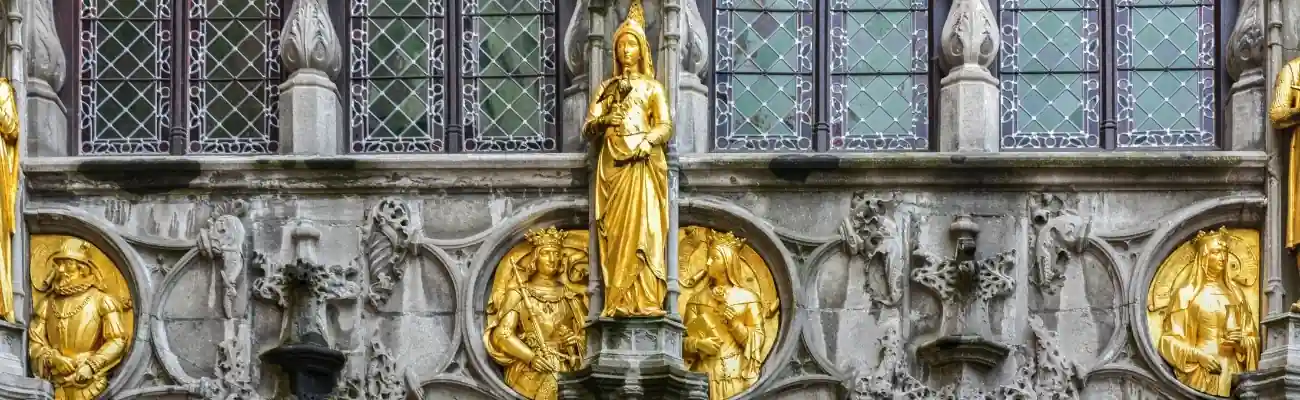
Bruges is filled with medieval wonders, but few places capture the spiritual and historical depth of the city quite like the
Basilica of the Holy Blood. Located in the heart of Burg Square, this remarkable church is home to one of Belgium’s most
revered religious relics. With its layered architecture, sacred atmosphere, and centuries of tradition, the Basilica of the
Holy Blood is far more than a simple sightseeing stop; it is a living symbol of Bruges’ medieval heritage.
If you are planning your visit, this detailed guide will help you understand its history, what to expect inside, opening hours,
practical tips, and how to make the most of your time in this extraordinary landmark.
Where Is the Basilica of the Holy Blood Located?
The Basilica of the Holy Blood stands on Burg Square, one of the most historic squares in Bruges. Burg Square sits just a short
walk from Market Square and the Belfry of Bruges, making it easy to include in your walking route through the city center.
The basilica is built into the corner of the square and forms part of the former residence of the Counts of Flanders. Its compact
exterior can be deceiving, as what appears modest from the outside reveals impressive detail and artistry within.
A Brief History of the Basilica of the Holy Blood
The church dates back to the 12th century. It was originally constructed between 1134 and 1157 as the chapel of the residence of
the Count of Flanders. The lower chapel, dedicated to Saint Basil, is one of the best-preserved Romanesque interiors in Belgium.
The upper chapel, however, is what draws pilgrims and visitors from around the world. It houses the revered relic known as the Holy
Blood, believed by many to contain drops of Christ’s blood brought back to Bruges from the Holy Land during the Crusades.
According to tradition, the relic was brought to Bruges in 1150 by Thierry of Alsace, Count of Flanders, after participating in the
Second Crusade. Whether viewed through a religious lens or historical curiosity, the relic has shaped the spiritual identity of Bruges
for centuries.
Architecture: Two Chapels in One Basilica
One of the most fascinating aspects of the Basilica of the Holy Blood is its dual structure. The building consists of two distinct
chapels stacked vertically, each with its own architectural character.
Lower Chapel – Romanesque Simplicity
The lower chapel is sober, intimate, and remarkably well preserved. Built in Romanesque style, it features:
- Thick stone walls
- Low vaulted ceilings
- Minimal decoration
- Dim natural lighting
The atmosphere is quiet and contemplative. It feels ancient, almost fortress-like, reflecting the early medieval period in which it
was constructed.
Upper Chapel – Gothic Splendor
In contrast, the upper chapel is richly decorated in Neo-Gothic style following 19th-century restorations. Here you will find:
- Vibrant stained-glass windows
- Ornate wall paintings
- Gold details and religious imagery
- A more spacious, luminous interior
The Holy Blood relic is displayed in a beautifully crafted shrine within this chapel. The contrast between the solemn lower chapel
and the ornate upper chapel makes the visit architecturally rewarding.
The Relic of the Holy Blood
The centerpiece of the basilica is the crystal vial said to contain drops of Christ’s blood absorbed in cloth. The relic is typically
presented in a small cylindrical container set inside a decorative shrine.
For believers, it is a sacred object of deep spiritual meaning. For historians and travelers, it is an artifact that reflects medieval
devotion, pilgrimage culture, and the importance of relics in shaping European cities.
Each year, the relic plays a central role in the Procession of the Holy Blood, a centuries-old religious event held on Ascension Day.
During this procession, the relic is carried through the streets of Bruges in a ceremonial parade featuring historical costumes and
biblical reenactments.
What to Expect During Your Visit
Visiting the Basilica of the Holy Blood is a calm and reflective experience. It is not a large complex, so most visits last between
20 and 40 minutes, depending on how much time you spend exploring details or attending prayer.
Here is what you can expect:
- Free access to both chapels
- A small museum section (separate ticket required)
- Quiet, respectful atmosphere
- Limited seating inside
Photography is usually allowed without flash, but since it is an active place of worship, visitors should remain respectful and avoid
disruptive behavior.
Opening Hours and Best Time to Visit
The basilica is generally open daily, though hours may vary depending on religious services and special events. The relic is displayed
at specific times during the day.
For the best experience:
- Visit early in the morning for fewer crowds
- Avoid peak midday tour groups
- Check hours in advance if visiting on a holiday
- Plan additional time during the Procession of the Holy Blood season
Spring and early autumn are ideal seasons for visiting Bruges overall, offering pleasant weather and manageable visitor numbers.
Dress Code and Visitor Etiquette
Because the Basilica of the Holy Blood is an active religious site, modest dress is recommended. While there is no strict enforcement,
respectful attire is appreciated.
Visitor etiquette guidelines include:
- Keep voices low
- Silence mobile phones
- Avoid flash photography
- Do not eat or drink inside
- Respect prayer areas
These simple steps help preserve the spiritual atmosphere of the basilica.
Is There an Entrance Fee?
Access to the basilica itself is typically free. However, if you wish to visit the treasury museum area, where additional artifacts are
displayed, it is around 5 EUR.
The museum includes religious objects, paintings, and historical items connected to the relic and the church’s history. If you are
interested in medieval religious art, the museum adds depth to your visit.
How Long Should You Spend Here?
Most visitors spend around 30 minutes exploring both chapels. If you plan to:
- Attend a relic viewing
- Visit the museum
- Sit quietly in reflection
You may want to allow up to one hour.
Since it is centrally located, the basilica fits easily into a half-day walking itinerary including Burg Square, Market Square, and
nearby canals.
Nearby Attractions to Combine With Your Visit
The Basilica of the Holy Blood is surrounded by some of Bruges’ most important landmarks. Within walking distance, you can explore:
Combining these sites creates a compact but rewarding historical route through the city center.
Why the Basilica of the Holy Blood Matters
Bruges flourished during the Middle Ages as a major trading hub. Religious devotion played a central role in civic identity during that
period. The presence of a powerful relic enhanced the city’s prestige and attracted pilgrims from across Europe.
The basilica stands as a reminder of how faith, politics, and commerce intersected in medieval Europe. It also represents the continuity
of tradition, as ceremonies connected to the relic are still observed today.
Whether you visit for spiritual reasons, architectural appreciation, or historical interest, the basilica offers insight into the
medieval soul of Bruges.
Practical Tips Before You Go
To ensure a smooth visit, keep these practical tips in mind:
- Arrive early to avoid crowds
- Bring small change if visiting the museum
- Be prepared for narrow staircases between chapels
- Allow time for security or restricted access during ceremonies
- Combine your visit with a walking route of Burg Square
Since the basilica is compact, large bags or strollers may feel cumbersome inside.
Final Thoughts
The Basilica of the Holy Blood is one of Bruges’ most meaningful landmarks. Its layered architecture, sacred relic, and centuries-old
traditions make it a unique destination within the city. Unlike grand cathedrals that overwhelm with scale, this basilica invites quiet
reflection and close observation.
Standing in the lower Romanesque chapel feels like stepping into the 12th century. Ascending to the luminous upper chapel reveals the
decorative richness of later restorations. And at the heart of it all rests the relic that has shaped Bruges’ identity for nearly nine
centuries.
For travelers seeking more than postcard views, the Basilica of the Holy Blood offers depth, symbolism, and a genuine connection to the
medieval past.
If Bruges is on your itinerary, this historic basilica deserves a meaningful place on your list.